Dr. Gaurang Sudhir Deshpande is a Consultant Rheumatologist and Clinical Immunologist in Bangalore with 13 years of experience in arthritis, joint pain, autoimmune and immune-mediated disorders.

Meet Dr. Gaurang Sudhir Deshpande

Compassionate Rheumatology and Immunology Care at DIRA Clinic
Understand the Problem. Find the Cause. Treat What Matters.

DIRA — Deshpande Immunology & Rheumatology Advanced Clinic — is a specialist centre dedicated to the evaluation, diagnosis and management of rheumatological, autoimmune, allergic and immune-related conditions. We provide care for patients with established diagnoses as well as those experiencing unexplained symptoms that may indicate an underlying inflammatory or immune disorder.

Comprehensive Care, Connected Around the Patient

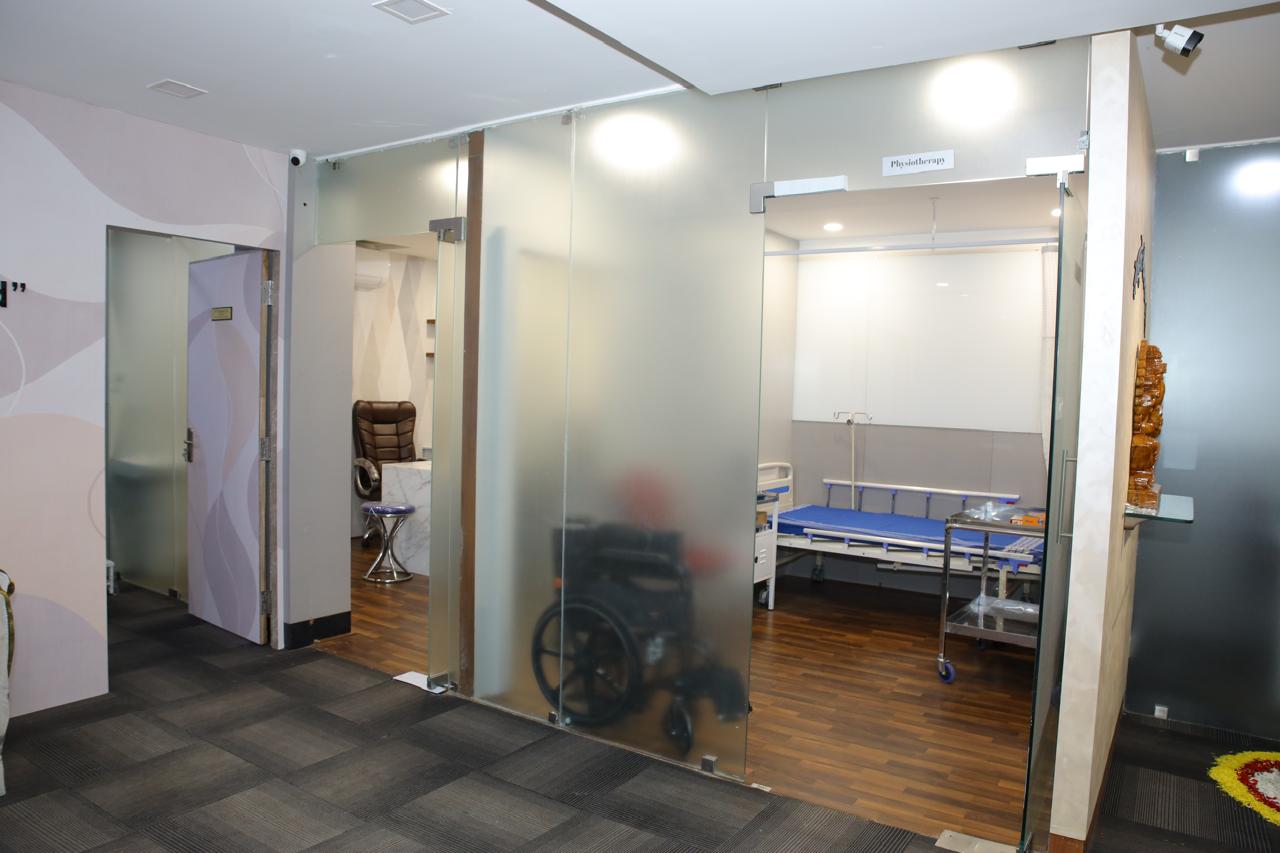
Managing rheumatological and immunological conditions often requires more than a consultation. Patients may benefit from detailed diagnostic evaluation, laboratory investigations, medication management, physiotherapy, pain management, rehabilitation, pharmacy support, regular follow-up and coordination with other medical specialists when needed.

Whether a patient is living with rheumatoid arthritis, lupus, ankylosing spondylitis or another established condition, or seeking answers for persistent joint pain and unexplained investigation results, our approach begins with understanding the individual. Not every unexplained symptom or abnormal test indicates autoimmune disease. Careful clinical assessment is essential to identify the cause and determine the most appropriate next steps.

Our Philosophy: Better Health, Beyond Disease


Rheumatological and immune-mediated conditions can affect joints, muscles, skin, lungs, kidneys, nerves, blood, bones and overall wellbeing. They may also interfere with sleep, work, mobility and everyday independence.

At DIRA, we aim to help patients understand their condition, control disease activity, prevent avoidable complications, manage pain and treatment-related difficulties, and maintain function and independence. While a complete cure may not be possible for every chronic condition, effective disease control and improved quality of life are often achievable goals.

A Structured, Patient-Centred Approach

Our care follows six essential steps:

Listen: Understand symptoms, concerns, expectations and previous medical experiences

Assess: Review medical history, clinical findings and existing investigations

Clarify
: Determine whether symptoms suggest an autoimmune, inflammatory, allergic, mechanical or other medical condition

Treat: Develop an evidence-based plan tailored to the diagnosis and individual needs

Monitor: Evaluate disease activity, treatment response, medication safety and long-term risks

Rebuild: Support mobility, physical function, confidence, independence and quality of life

At DIRA, we look beyond test results to understand the person behind the symptoms. Our goal is to deliver thoughtful, coordinated care that helps patients make informed decisions and live fuller lives beyond their disease.


Our Services

Patient-focused healthcare services.

Patient-focused healthcare services.
Arthritis & Joint Diseases
Patient-focused healthcare services.
Autoinflammatory & Rare Immune Diseases
Patient-focused healthcare services.
Bone & Metabolic Health
Patient-focused healthcare services.
Allergy & Clinical Immunology
Patient-focused healthcare services.
Connective Tissue & Autoimmune Diseases
Patient-focused healthcare services.
Vasculitis & Vascular Diseases
Patient-focused healthcare services.
Rheumatic Lung & Systemic Disease

Dr. Gaurang Sudhir Deshpande

Consultant Rheumatologist & Clinical Immunologist

In person
Dr. Gaurang Sudhir Deshpande
Qualification:MBBS, MD – Internal Medicine, DM – Clinical Immunology & Rheumatology
Experience:13.0 Years
Licence No.:MAH20140000016KTK
Dr. Gaurang Sudhir Deshpande is a dedicated Consultant Rheumatologist and Clinical Immunologist with over 12 years of overall medical experience, offering focused, evidence-based care for arthritis, joint pain, autoimmune diseases, allergy-related concerns, and complex immune-mediated disorders. With advanced qualifications including MBBS, MD in Internal Medicine, and DM in Clinical Immunology & Rheumatology, he brings strong clinical expertise to patients seeking clarity, diagnosis, and long-term management for conditions that are often chronic, misunderstood, or misdiagnosed. At DIRA Clinic, Dr. Deshpande is committed to helping patients navigate rheumatological and immunological illnesses with compassion, precision, and personalized attention. His care philosophy centers on listening carefully, understanding the full picture of a patient’s symptoms, and creating practical treatment plans that aim to reduce pain, control inflammation, improve function, and enhance quality of life. H

Testimonials

What our Patients say about us

Excellent doctor with a very kind and caring approach. The doctor listens patiently to patients, explains the condition clearly, and provides proper guidance and treatment. The staff are also friendly and supportive. Overall, a very good experience. Highly recommended for anyone looking for a rheumatology specialist!

Abhishek Reddy

Dr.Gaurang Deshpande is an exceptional rheumatologist. They took the time to listen carefully to my symptoms, explained my diagnosis thoroughly, and developed an effective treatment plan. Highly recommend!

Yashvanth TV

Dr. Gaurav Deshpande treated my rheumatoid arthritis very well. I had severe leg and knee pain, and after his treatment, I feel much better. He explained everything clearly and treated me very well. I am very happy with the treatment and highly recommend Dr. Gaurav Deshpand

Manju Natha

Frequently Asked Questions

Common questions patients ask about Consultant Rheumatologist & Clinical Immunologist care

A rheumatologist and clinical immunologist diagnoses and treats conditions that affect the joints, muscles, bones, immune system, and connective tissues. This includes arthritis, rheumatoid arthritis, lupus, gout, spondyloarthritis, vasculitis, myositis, Sjögren’s syndrome, osteoporosis, and many autoimmune or immune-mediated disorders. If you have long-standing joint pain, swelling, stiffness, unexplained rashes, fever, fatigue, or symptoms involving multiple body systems, this specialty can help identify the cause and guide treatment in a careful, structured, and reassuring way.

You should consider seeing a rheumatologist if joint pain, swelling, or stiffness lasts for more than a few weeks, especially if symptoms are worse in the morning or affect daily activities. You should also seek evaluation if you have repeated episodes of joint pain, unexplained body aches, back stiffness, rashes, mouth ulcers, fever, or fatigue along with joint symptoms. Early consultation is important because many inflammatory and autoimmune conditions respond better when treated early, helping reduce pain, prevent damage, and improve long-term quality of life.

Autoimmune arthritis happens when the immune system mistakenly attacks the body’s own joints and tissues, causing inflammation, pain, warmth, swelling, and morning stiffness. Wear-and-tear arthritis, often called osteoarthritis, is more related to aging, joint use, and cartilage breakdown. In autoimmune arthritis, symptoms may involve several joints, come with fatigue, and sometimes affect other organs. The good news is that proper diagnosis can distinguish the two. Treatment is different for each, and many patients feel better once the correct condition is identified and managed appropriately.

Symptoms can vary widely, which is why these conditions are sometimes missed or diagnosed late. Possible warning signs include persistent joint pain, joint swelling, prolonged morning stiffness, back pain that improves with movement, repeated mouth ulcers, skin rashes, hair fall, unusual fatigue, dry eyes, dry mouth, numbness, muscle weakness, fever, or unexplained weight changes. Some people also notice color changes in the fingers in cold weather or swelling in multiple joints. Having these symptoms does not always mean a serious illness, but it does mean a specialist assessment may be helpful.

During your first visit, the doctor will take a detailed history of your symptoms, when they began, what makes them better or worse, and whether you have associated issues like fever, rashes, eye symptoms, ulcers, or fatigue. A careful physical examination of joints, muscles, spine, skin, and sometimes other systems is done. Depending on your symptoms, blood tests, urine tests, X-rays, ultrasound, or other investigations may be advised. The goal is not just to label the disease, but to understand the full pattern so treatment can be tailored to your needs.

Tests are often useful, but they are only one part of the diagnosis. Rheumatologic conditions are diagnosed by combining your history, physical examination, blood tests, imaging, and sometimes response to treatment over time. Blood tests may check inflammation markers, antibodies, uric acid, muscle enzymes, or organ function. Scans such as X-rays, ultrasound, or MRI may help detect inflammation or joint damage. It is important to know that a normal test does not always rule out disease, and a positive antibody test alone does not always mean illness. Clinical judgment remains essential.

Some rheumatologic conditions are short-term or occur in flares, while others are chronic and need long-term monitoring. Many autoimmune and inflammatory diseases may not have a complete permanent cure, but they can often be controlled very well with the right treatment. The aim is to reduce pain, control inflammation, prevent joint or organ damage, and help you live as normally as possible. Many patients achieve low disease activity or remission. Treatment plans are individualized, and medicines may be adjusted over time depending on how active the disease is.

Rheumatology medicines are prescribed after carefully weighing benefits and risks, and for many patients they are both necessary and effective. These may include pain relievers, anti-inflammatory medicines, steroids, disease-modifying drugs, biologics, or other immune-targeted treatments. Like all medicines, they can have side effects, which is why regular follow-up and monitoring are important. The reassuring part is that careful dosing, blood test monitoring, and timely communication about symptoms greatly improve safety. You should never stop or change these medicines suddenly without medical advice, because uncontrolled disease can also cause serious harm.

Biologic medicines are advanced treatments that target specific parts of the immune system involved in inflammation. They may be recommended when standard treatment is not enough, when disease activity remains high, or when there is a need to better protect joints and organs. Some biologics are given as injections, while others are administered as infusions in a monitored clinic setting. Although the idea of advanced treatment can sound intimidating, these therapies have helped many patients achieve better control and improved function. Before starting, doctors evaluate safety, infection risk, and monitoring needs carefully.

Yes, lifestyle measures can play an important supporting role in rheumatology care. Regular gentle exercise, stretching, physiotherapy, adequate sleep, stress management, balanced nutrition, weight control, and avoiding smoking can all help reduce pain and stiffness and improve overall wellbeing. For some conditions, protecting joints, improving posture, and pacing daily activities are also valuable. Lifestyle changes do not replace prescribed treatment for inflammatory or autoimmune diseases, but they often improve recovery, stamina, and long-term joint health. Your doctor can guide you on safe activity levels based on your specific diagnosis.

Yes. While many people think rheumatology only deals with joints, several autoimmune and inflammatory diseases can affect the skin, eyes, lungs, kidneys, blood vessels, nerves, muscles, or other organs. For example, lupus, vasculitis, inflammatory myositis, and some forms of arthritis may have symptoms beyond joint pain. This is one reason specialist evaluation is important when symptoms seem unusual or involve more than one body system. Early recognition helps protect organ function and allows treatment to be started before complications become more serious.

Follow-up frequency depends on your diagnosis, symptoms, treatment plan, and how stable your condition is. In the early phase or during flares, visits may be more frequent so medicines can be adjusted and tests reviewed. Once the disease is controlled, follow-ups may become less frequent but still remain important. Regular monitoring helps track disease activity, check for medication side effects, prevent complications, and ensure treatment continues to meet your needs. Even if you feel better, scheduled reviews are valuable because many rheumatologic conditions can change quietly over time.

Location & Location Map

Location
addressAddress

Deshpande Immunology & Rheumatology Advanced Clinic (DIRA)- No. 579, 9th Main Road, Defense Colony 1st Stage, Indiranagar, Bangalore Urban 560038, Karnataka

  • Social Media Connect

Working Hours

MONDAYClosed
TUESDAYClosed
WEDNESDAYClosed
THURSDAYClosed
FRIDAYClosed
SATURDAYClosed
SUNDAYClosed

Contact Us

Contact Us

  • Email: diraclinicllp2026@gmail.com
  • Phone: 9036369016

Social Media connect:

Website Powered by icareheal

© DIRA Clinic 2025